
Legacy of Valor and Resilience: The Story of the Bellore Arasula Parari Family.
Ancient Indian traditions speak of Nāga Loka as the mystical realm of the Nāgas, the sacred
serpent beings of Hindu, Buddhist, and Jain cosmology. The word Nāga means serpent, while
Loka means world or realm.
Nāgas were not seen as ordinary snakes, but as powerful semi-divine beings associated with:
• water,
• fertility,
• protection,
• hidden wisdom,
• prosperity,
• transformation,
• and the unseen energies of the earth.
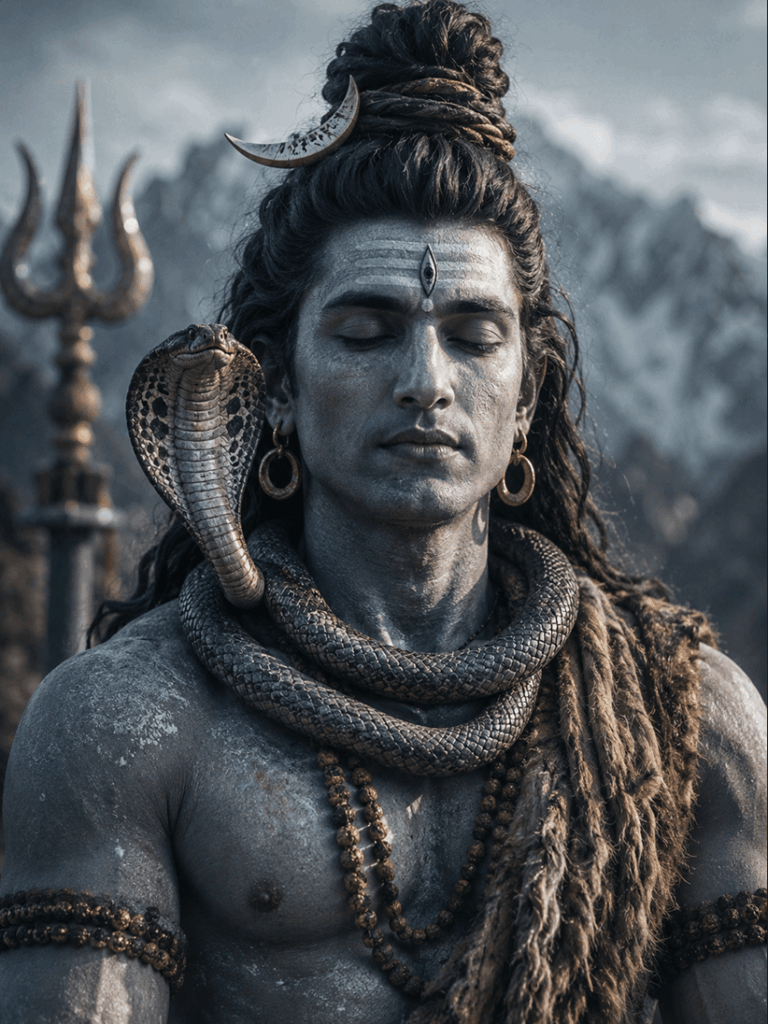
Ancient texts describe Nāga Loka as a radiant subterranean realm filled with sacred waters,
jewels, hidden treasures, and spiritual knowledge. Because serpents were believed to dwell
close to the depths of the earth, Nāgas became symbols of both material and spiritual wealth,
protectors of prosperity, fertile land, rain, and abundance.
Indian mythology is deeply intertwined with serpent symbolism, and many of the most important
gods are closely associated with the Nāgas.
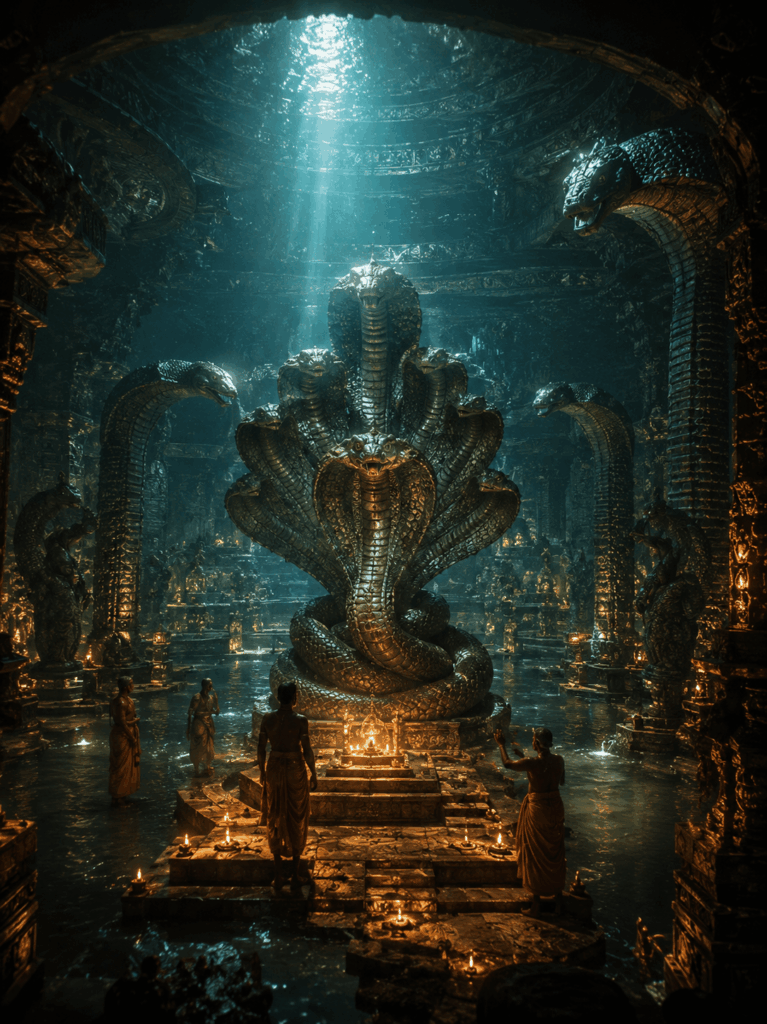
One of the most sacred images in Hindu tradition is Lord Vishnu reclining upon Ananta Shesha,
the cosmic serpent. Shesha represents infinity, eternity, and the foundation upon which the
universe rests.
According to tradition:
• when worlds dissolve,
• when creation ends,
• and when time itself disappears,
Ananta alone remains.
The serpent here symbolizes cosmic balance, stability, and eternal existence.
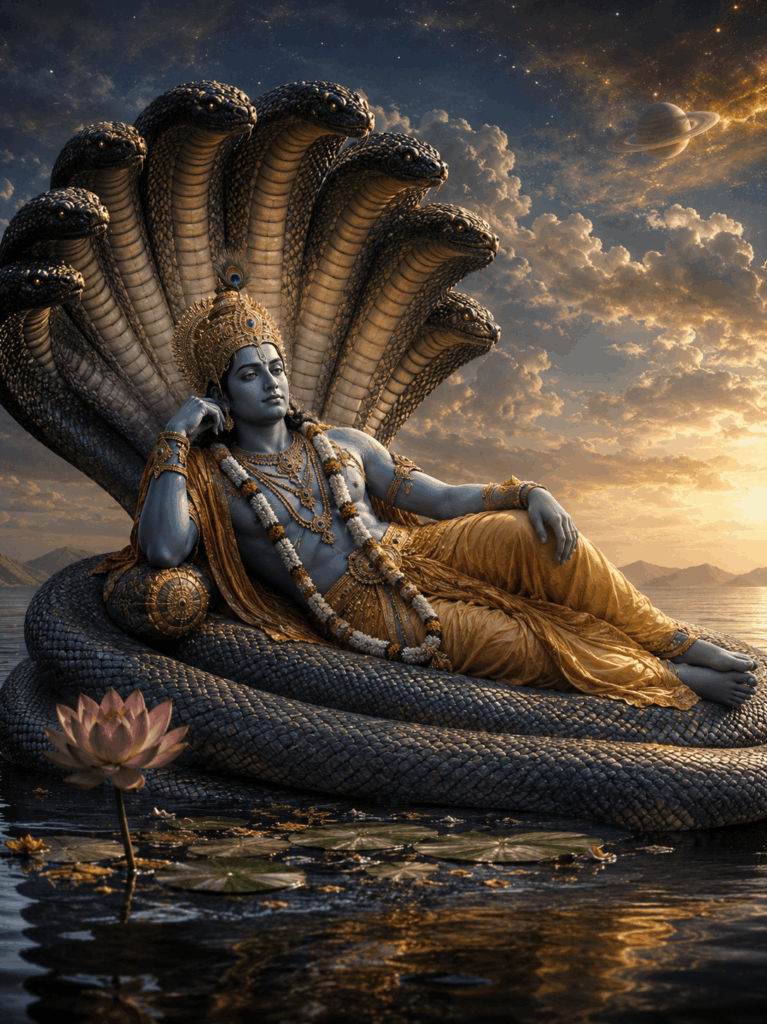
Lord Shiva is almost always depicted with a cobra coiled around his neck.
The serpent represents:
• mastery over fear and death,
• awakening of spiritual energy,
• control over ego and desire,
• and harmony with primal nature.
In yogic philosophy, the serpent is also linked to Kundalini, the dormant spiritual energy believed
to rest at the base of the spine.
Another important Nāga is Vasuki, the serpent king.
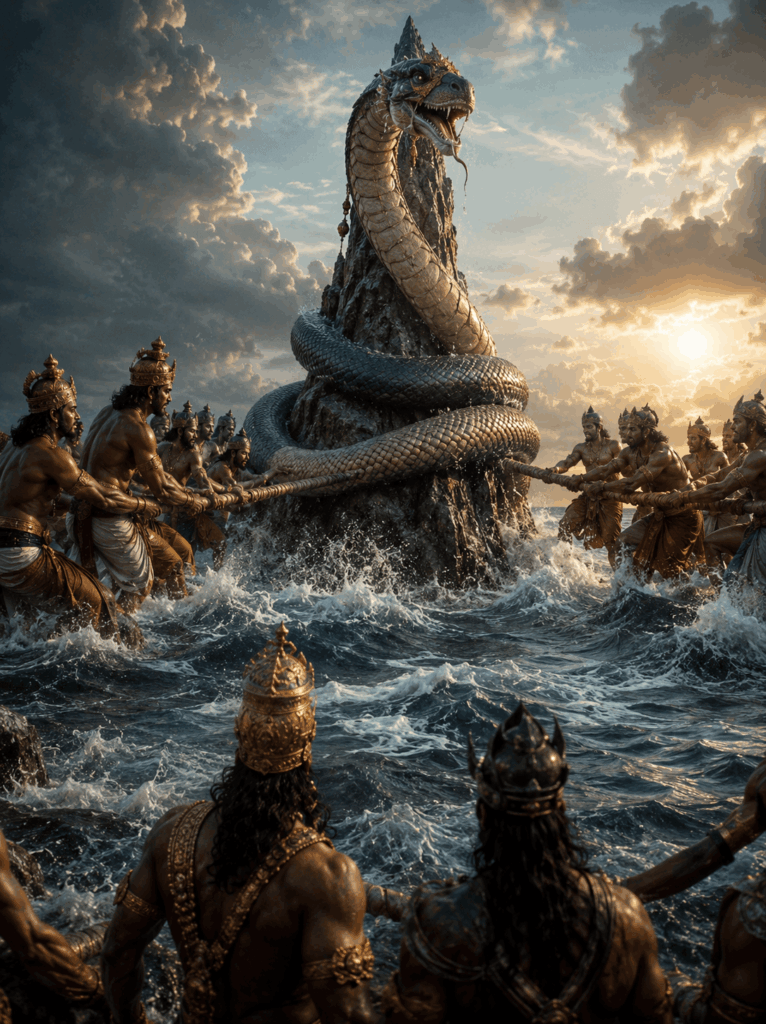
In the story of Samudra Manthana (the churning of the cosmic ocean), the gods and demons
used Vasuki as the great rope wrapped around Mount Mandara to churn the ocean in search of
Amrita, the nectar of immortality.
From this cosmic churning emerged:
• divine treasures,
• celestial beings,
• Lakshmi, the goddess of wealth,
• and the nectar of immortality itself.
The story symbolizes creation through balance, and the serpent becomes the bridge between
earthly existence and cosmic power.
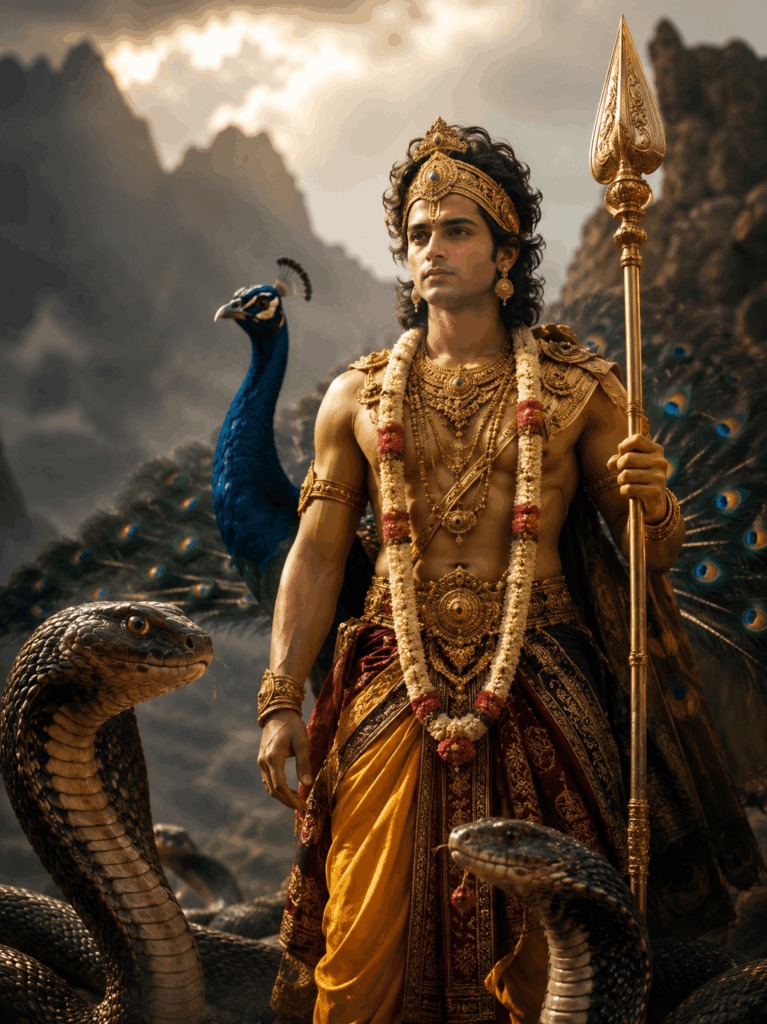
In South Indian tradition, Lord Kartikeya (Subrahmanya or Murugan) became deeply associated
with serpent worship.
According to regional belief, the Nāgas sought refuge under Kartikeya from enemies such as
Garuda and Kartikeya became their protector and guardian.
This connection is especially important at Kukke Subramanya Temple, one of India’s most
important centers of serpent worship, where Lord Subrahmanya is worshipped together with
Vasuki and other Nāga deities.
In Tulunadu, Kartikeya is therefore worshipped not only as a warrior deity, but also as:
• guardian of hidden spiritual forces,
• protector of lineage,
• keeper of serpent wisdom,
• and protector of prosperity and sacred land.
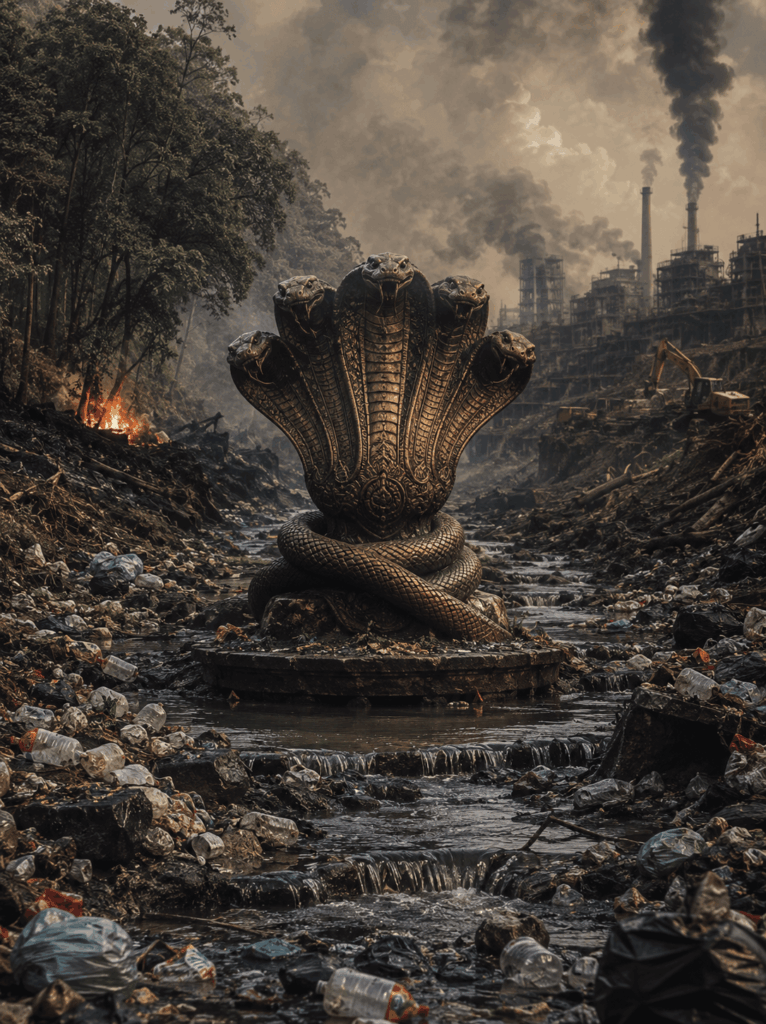
Ancient traditions also carry a warning.
When forests were destroyed, sacred groves disturbed, rivers polluted, and land exploited
through greed, many believed humanity had slowly begun to “invade” the world of the Nāgas.
This was understood not merely as ecological destruction, but as spiritual imbalance:
a breaking of harmony between humans, nature, and the sacred forces believed to protect the
earth.
In Tulunadu, disturbing serpent groves or neglecting Nāga worship was traditionally believed to
affect:
• prosperity,
• fertility,
• family harmony,
• ancestral wellbeing,
• and even generational fortune.
The Nāgas were believed to bless respectful coexistence, but withdraw protection when sacred
balance was broken.
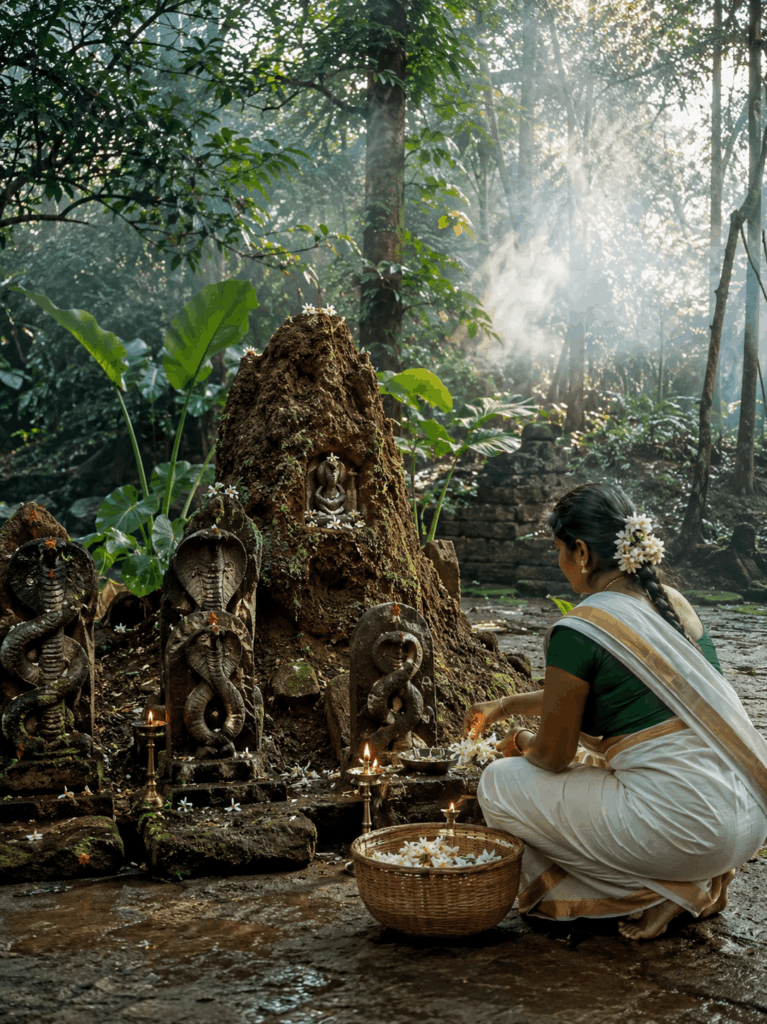
In Tulunadu, serpent worship evolved into one of the oldest living traditions of coastal
Karnataka.
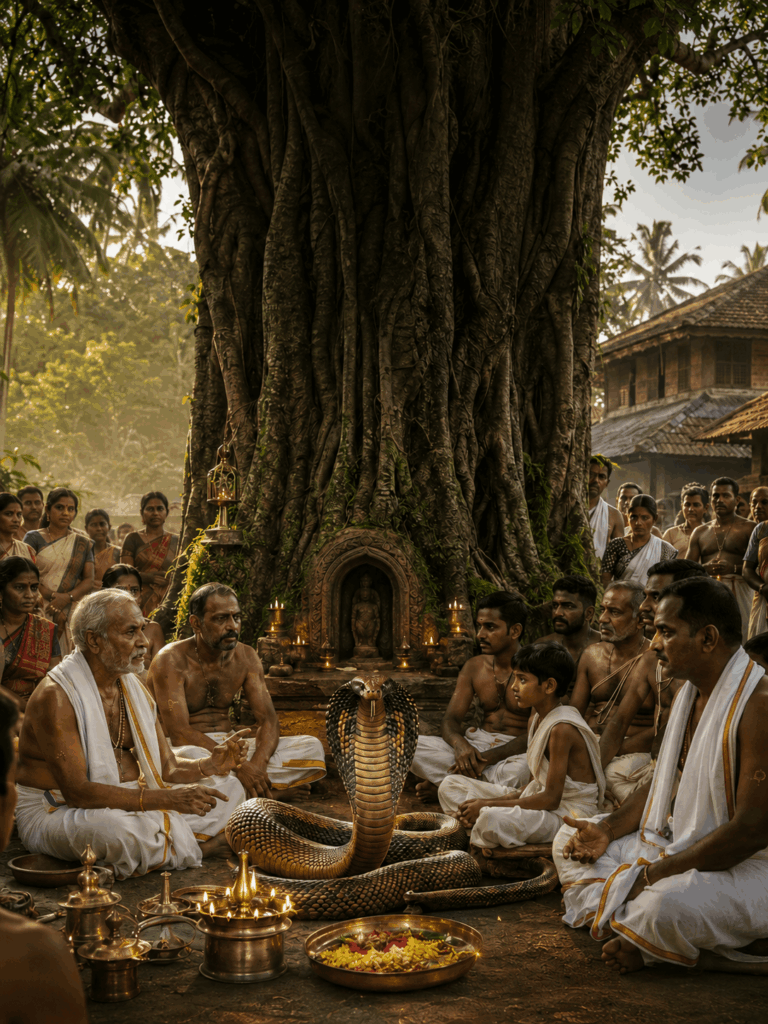
Sacred serpent groves known as Nāgabanas were preserved beside ancestral homes and
villages. These untouched spaces contained serpent stones, ancient trees, anthills, and ritual
sites believed to carry the living presence of the Nāgas.
The Nāgas were worshipped as guardians of:
• land,
• water,
• forests,
• fertility,
• wealth,
• and family lineage.
Rituals such as:
• Ashlesha Bali,
• Nagamandala,
• and Sarpa Samskara
continue to be performed for prosperity, fertility, ancestral harmony, and spiritual protection.
Among the oral traditions associated with the Bellore Arasula Parari lineage is a story that reflects the deep reverence attached to sacred serpent land in Tulunadu.
According to family accounts, a portion of ancestral land, where the present-day Naga Bana now stands was once connected to traditional Nāga worship. The land was reportedly sold to Mr.Vishwanath Alva from Gundala Guthu who inturn sold it to Mr U.Naseer. During this period, none of the rituals pertaining to the land was performed.
Soon after, unusual experiences were said to occur. The owner reportedly faced persistent financial and personal difficulties and repeatedly saw and dreamt of snakes. In one incident remembered within the family, a snake was allegedly found on his bed In addition, what was once a fertile and a flourishing land slowly lost its water and vitality
Within the traditional worldview of Tulunadu, these experiences were interpreted as signs that the sacred balance connected to the Nāgas had been disturbed. Deeply unsettled, the owner is believed to have eventually sold back the land to the original family.
In 1994, the Punasthapana and Punnapratishtha of the Nāgabana was performed, restoring the sacred serpent shrine and renewing the traditional worship associated with the land and lineage. Since then, the Nāgabana has continued to stand as a symbol of protection, ancestral blessing, and spiritual guardianship for the family and future generations.
Adding {{itemName}} to cart
Added {{itemName}} to cart