

Legacy of Valor and Resilience: The Story of the Bellore Arasula Parari Family.
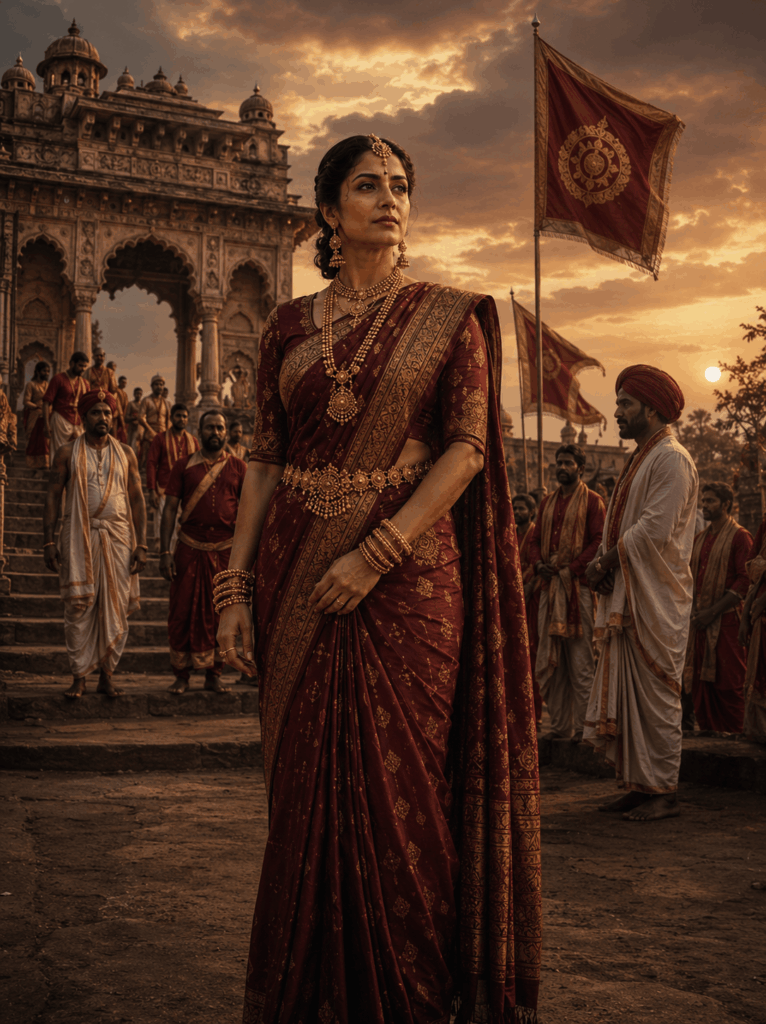
At the dawn of the 19th century, in Bantwal, Rani Padumala Devi lll, the queen of Aladangadi, belonging to a Jain royal lineage, stood as a symbol of strength and leadership. Her reign coincided with the rule of Tipu Sultan and the turbulent years of the 4th Anglo-Mysore war (1799), during which, the British East India Company expanded its influence across the region. She presided over her people during a time of profound political upheaval.
This period of shifting powers brought recurring hardships and increasing economic pressures, as heavy taxation was levied upon local rulers and their people.
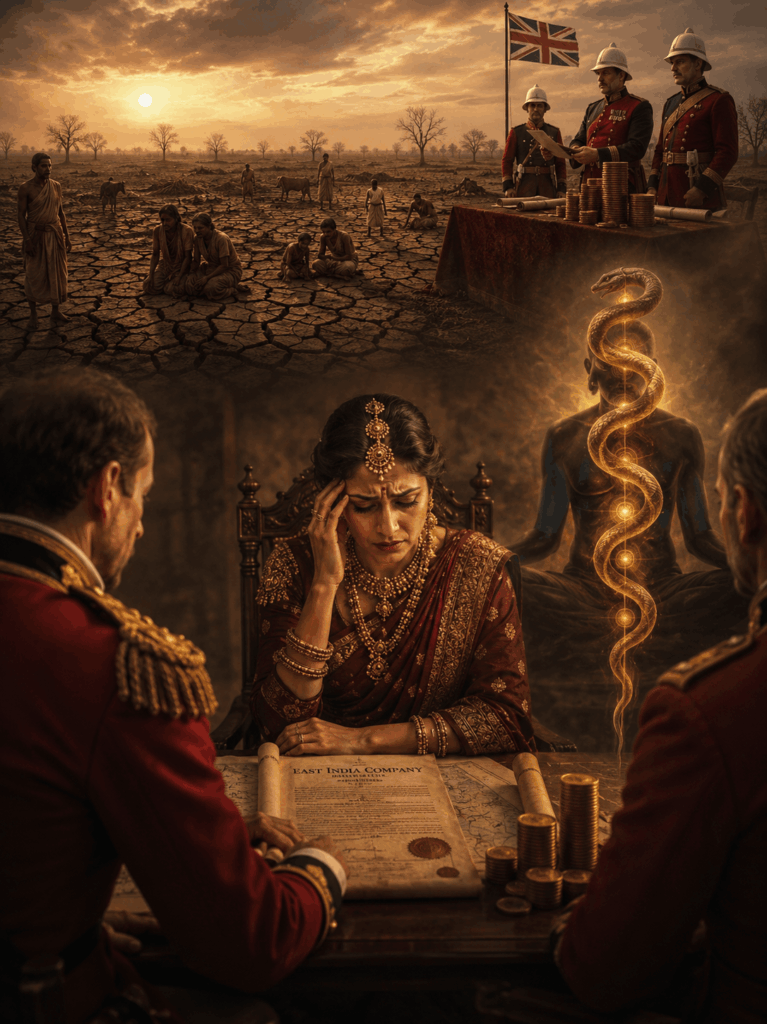
During this period, the region was struck by a severe drought, leaving the land parched and its people in distress. Agricultural yields declined, and sustaining livelihoods became increasingly difficult. In these trying times, Rani Padumala Devi lll found it challenging to meet the mounting tax demands imposed by the British East India Company. The burden of taxation, coupled with the hardships faced by her people, placed the Queen in an untenable position. This moment marked a turning point.., not only in her life, but in the history of the lineage that would emerge from it.
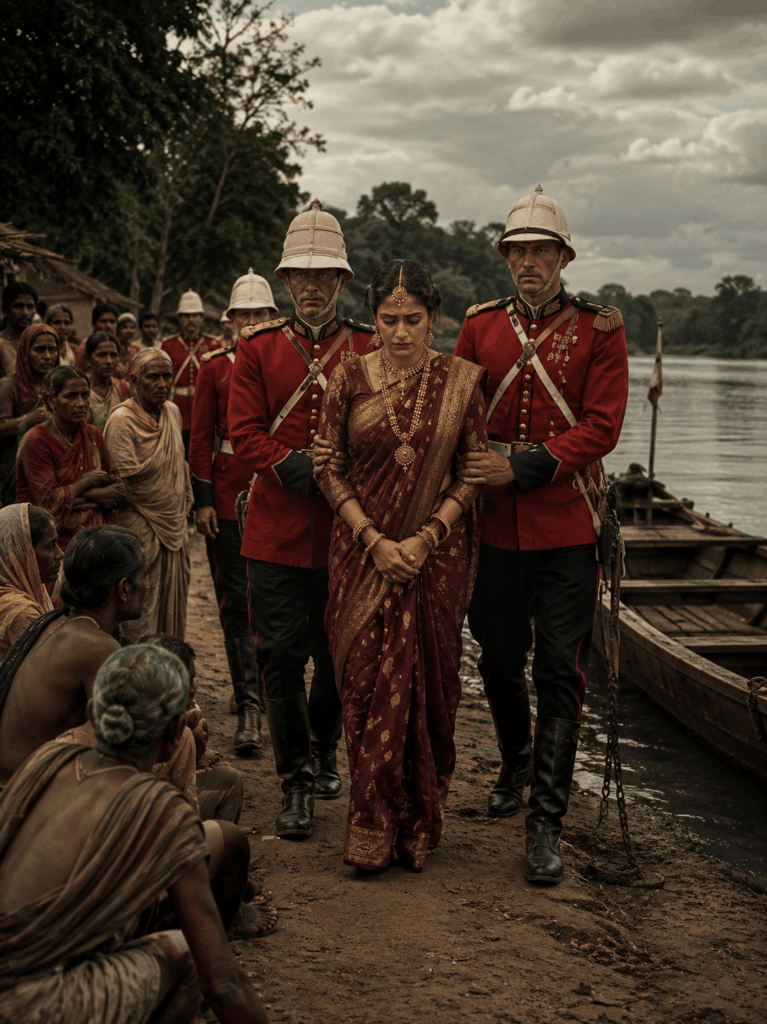
As Rani Padumala Devi was unable to meet the mounting demands, officials of the British East India Company arrived to arrest her. She was brought under guard to the banks of the Phalguni River (also known as Gurupura river today), from where she was to be taken onward by boat, in keeping with the modes of travel of the time.
Her presence there, under custody, during a period of widespread hardship was a striking and unsettling sight.
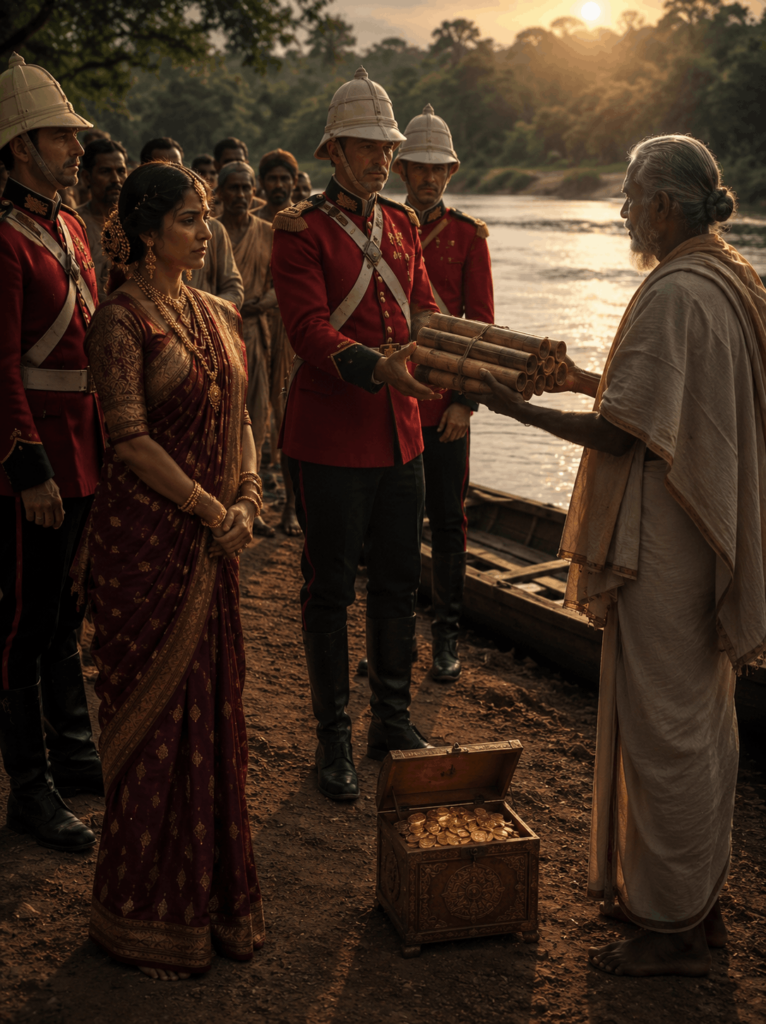
At that very moment, the Yajamana of Ammunje Guttu was engaged in his daily Suryanamaskara rituals nearby. His attention was drawn to an unusual commotion along the banks of the Phalguni river. He immediately instructed his attendants to enquire. When they realized that their revered queen was being taken into custody by the British East India Company for failing to pay a tax of 1,000 Varahas (gold coins), was deeply unsettling. Moved by a strong sense of justice and compassion, the Yajamana approached the authorities and pledged to settle the entire amount, requesting two hours to arrange the funds. True to his word, he returned within the stipulated time carrying 1000 varahas stored in Bedru Kollave (sealed bamboo tubes traditionally used for safekeeping and transport of wealth). The officials, honouring their agreement, accepted the payment and released the Queen.
Deeply moved by this act of courage and generosity, Rani Padumala Devi lll expressed her gratitude in a manner that would leave a lasting legacy. In recognition of the Yajamana’s noble deed, she adopted a boy and a girl from his family and entrusted them with approximately 1750 Muras of fertile agricultural land.
The girl was Mundiyapu, from whose lineage we all trace our ancestry. For a long time, Mundiyapu did not have children. She then prayed to Maadlaya and said that if she was blessed with a child, she would offer Tudhar (Deepa) to the daiva. Following this vow, she was blessed with six children – four daughters and two sons. In the Bunt tradition, which follows a matrilineal system, lineage is traced through the female line.It is from these four daughters that our descent is carried forward, laying the foundation of the Bellore Arasula Parari lineage.
The family has also preserved an ancestral custom through the generations. As descendants of the Ammunje family, it is our long standing tradition that when a child is born, the newborn is first taken to the sacred shrine of goddess Rajarajeshwari at Polali
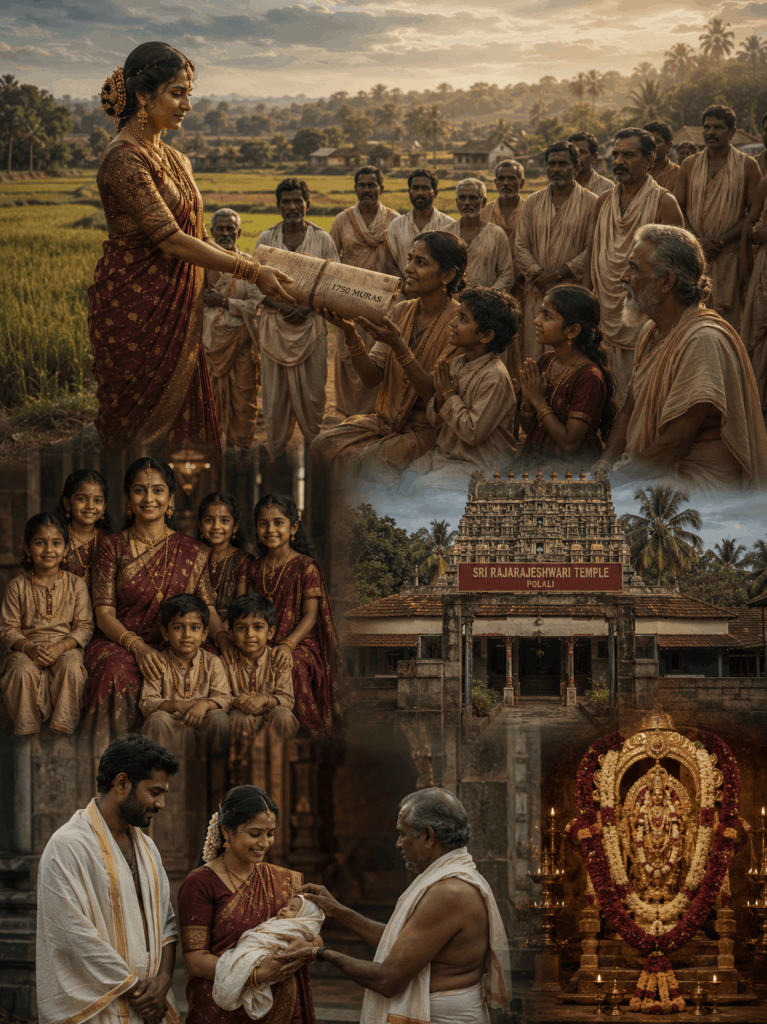
With the blessings and patronage of Rani Padumala Devi, the lineage flourished over the years.
Among the lands entrusted to the family was a tract of approximately three acres known as the Kaarinja Khanda. This land held a special place in local tradition and was regarded with great signficance. It was customary for the entire field to be ploughed and sown within a single day.To accomplish this, people from across the village would come together and work collectively, transforming the task into a remarkable display of unity, cooperation, and community spirit.
An unusual phenomenon associated with kaarinja Kanda was that whenever it was ploughed, the water in a well in Alladangadi would turn muddy, Remarkably, once the day’s work was completed,the water would become clear again The family also placed a strong emphasis on education, discipline, and enterprise, which became the cornerstone of its progress.Over generations, members of the Bellore Arasula Parari family distinguished themselves across diverse fields. The younger generations embraced new opportunities and ventured into emerging avenues, contributing to the family’s growing prosperity and recognition.
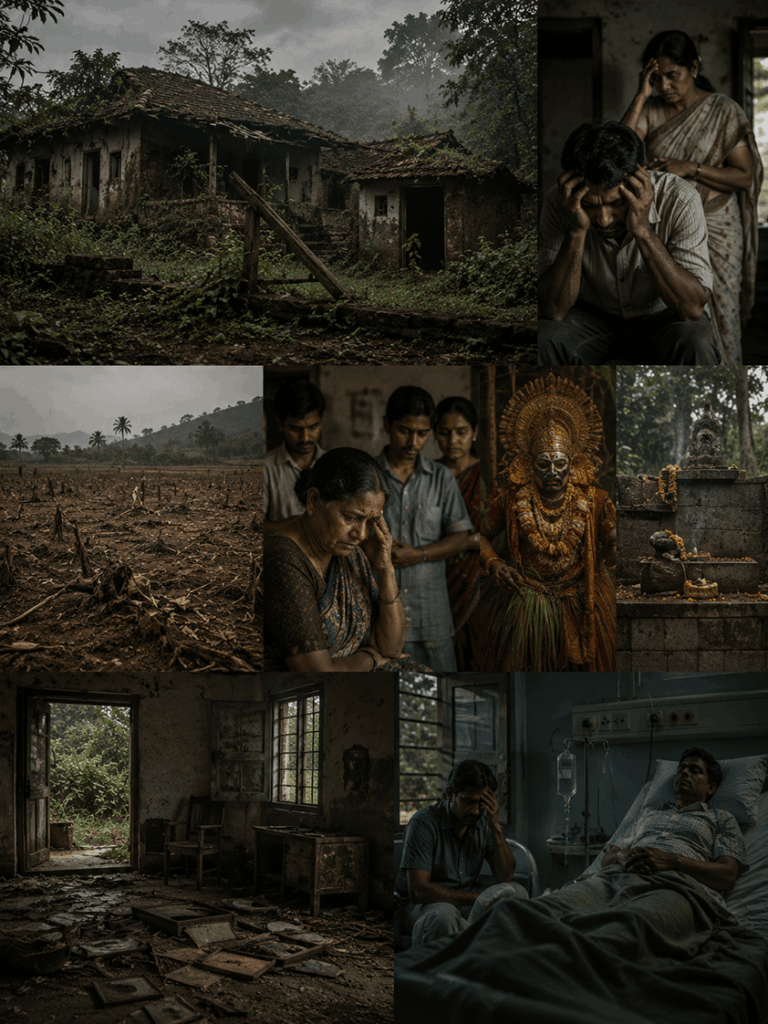
However, over time, the fortunes of the family began to change. About a century ago, a period of gradual decline set in. The ancestral home, once a proud symbol of the family’s legacy, fell into disrepair and eventually collapsed due to neglect and lack of maintenance.
Agricultural lands were no longer tended with the same care, and as livelihoods weakened, the unity of the family began to fragment. With this decline, long-standing cultural and spiritual practices also came to a halt. Traditions such as Nema, Kola, Agelu, and Tambila rituals performed in reverence to Daivas and Naga Devatas were discontinued, marking a loss not only of prosperity but also of cultural continuity.
As these sacred practices faded, the family entered a period of unrest. There were untimely and tragic loss of lives, recurring illnesses, financial hardships, and an unexplainable sense of disharmony that affected many within the lineage.
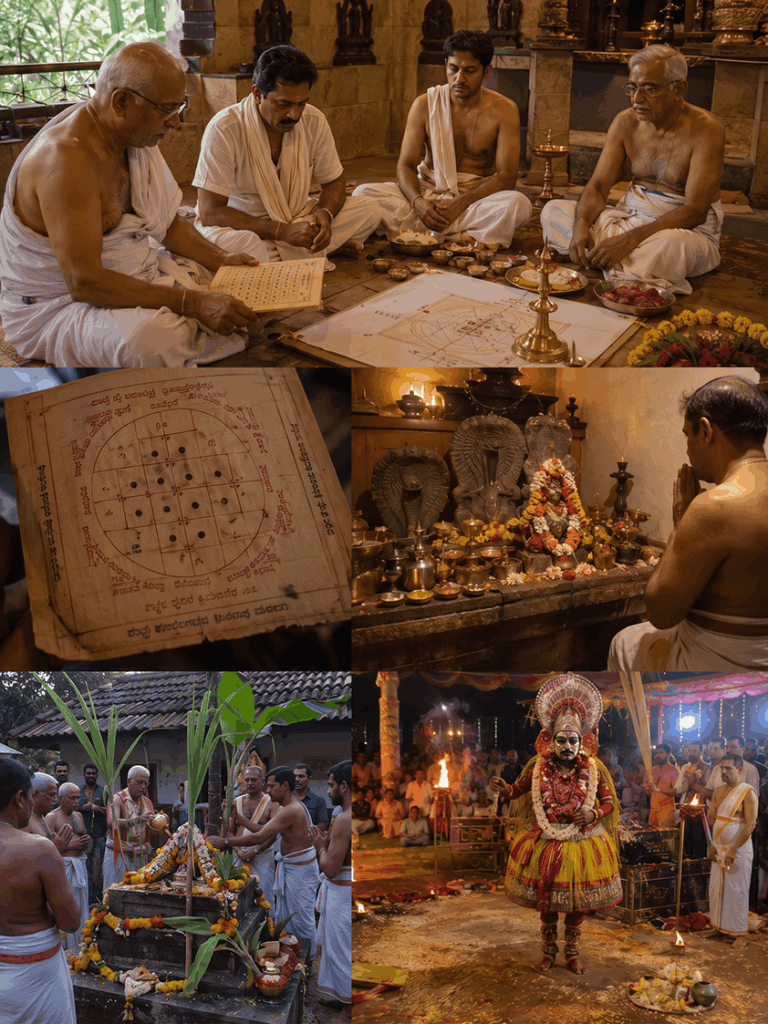
In the midst of these challenges, a few elders of the family felt a deep inner calling to seek guidance and understand the underlying cause. Acting on this intuition, an Ashtamangala Prashna was conducted. Through this sacred process, it was revealed that Daivas associated with the lineage were in need of revival and rightful worship.
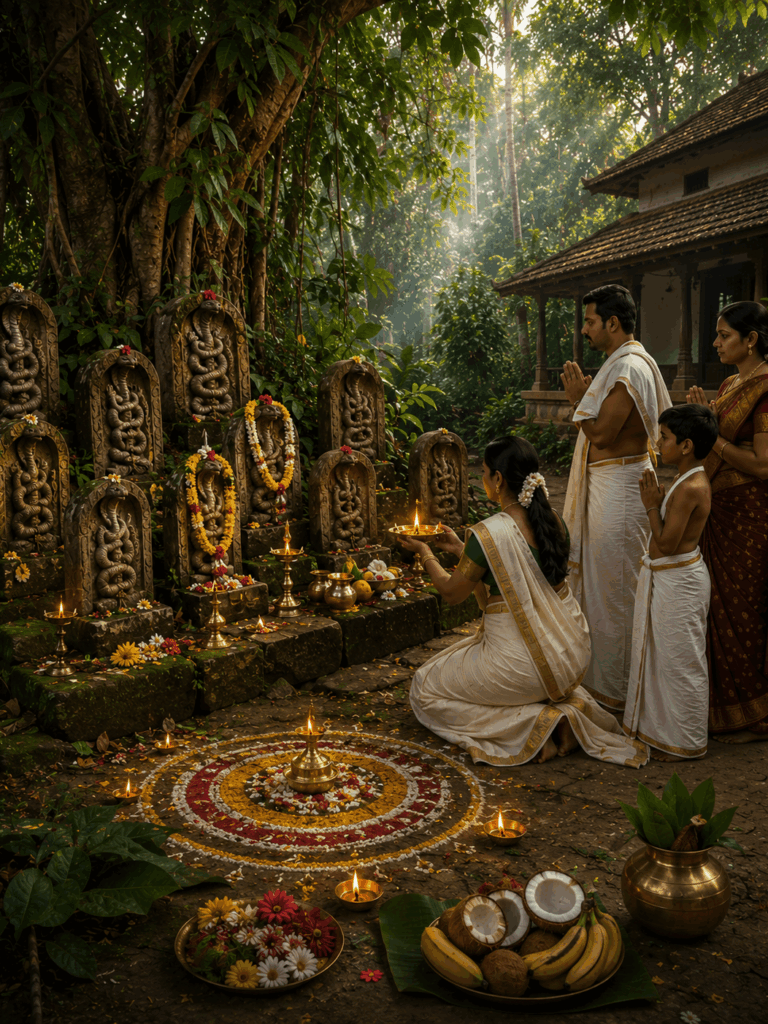
This divine revelation marked a significant turning point. With renewed faith and devotion, the family came together to restore the worship of the Daivas and to re-establish the sanctity of the Naga Bana.
The punarprathishta of Naga bana was done in 1994 and the Daiva aradhane was restored on 22nd May 2013
From that moment onward, a gradual yet profound transformation began to unfold. A sense of peace and stability returned, along with renewed prosperity. More importantly, a deep bond began to form among family members, many of whom had earlier been unaware of their shared roots.
With each passing year, more members have been drawn back, strengthening this connection and shared identity. What once seemed fragmented has begun to reunite, guided by faith and a renewed sense of belonging.
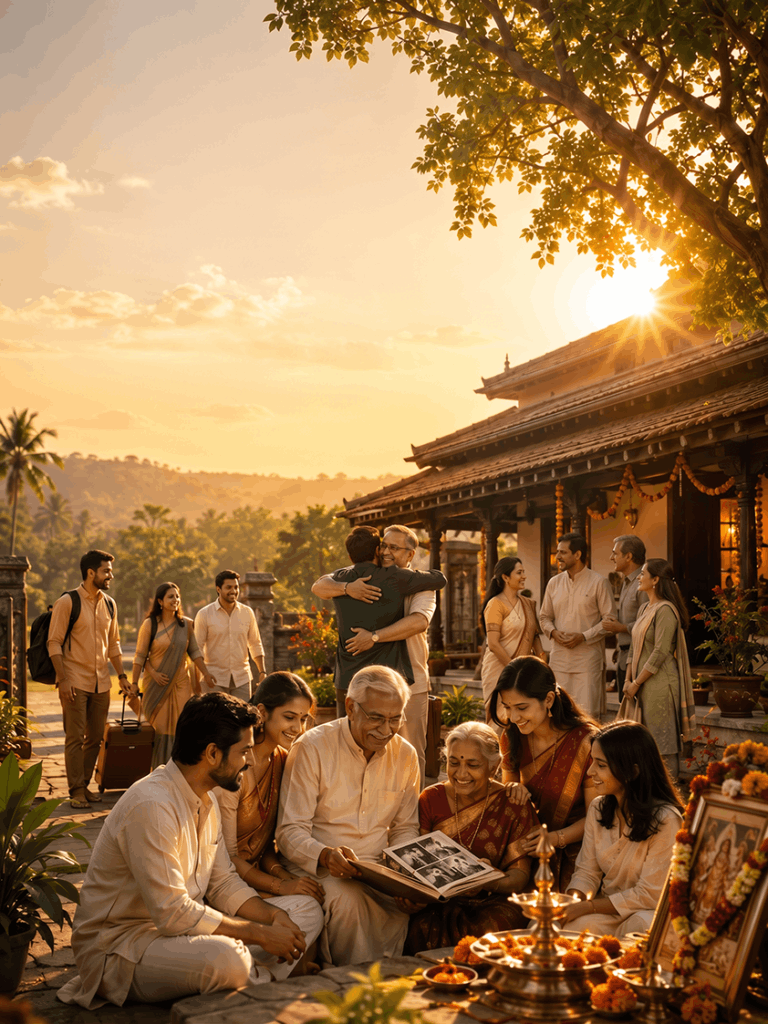
Today, what began as a response to uncertainty has evolved into a living legacy of faith, unity, and belonging. It stands as a reminder of the enduring presence of the divine in our lives …,guiding, protecting, and sustaining us across generations.
With humility and gratitude, we look to the future with the hope that this sacred tradition will continue to flourish and be preserved with reverence by generations to come.
Adding {{itemName}} to cart
Added {{itemName}} to cart