
Legacy of Valor and Resilience: The Story of the Bellore Arasula Parari Family.
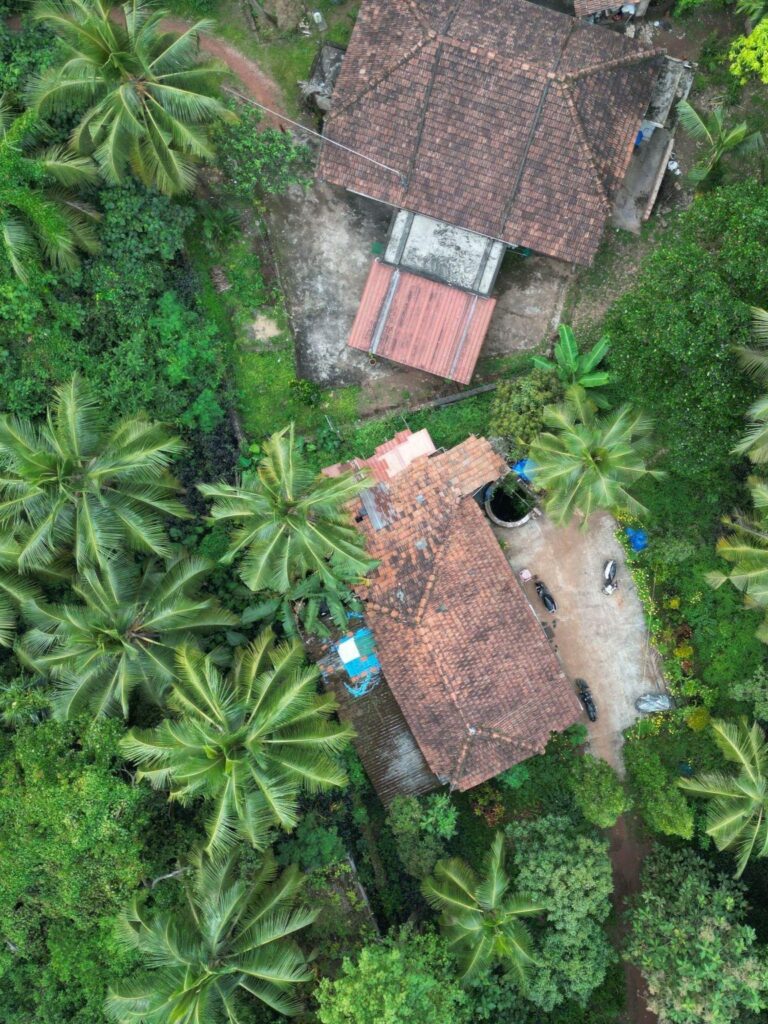
Nestled in the fertile heartland of Bantwal Taluk in Dakshina Kannada, Badaga Bellore is a
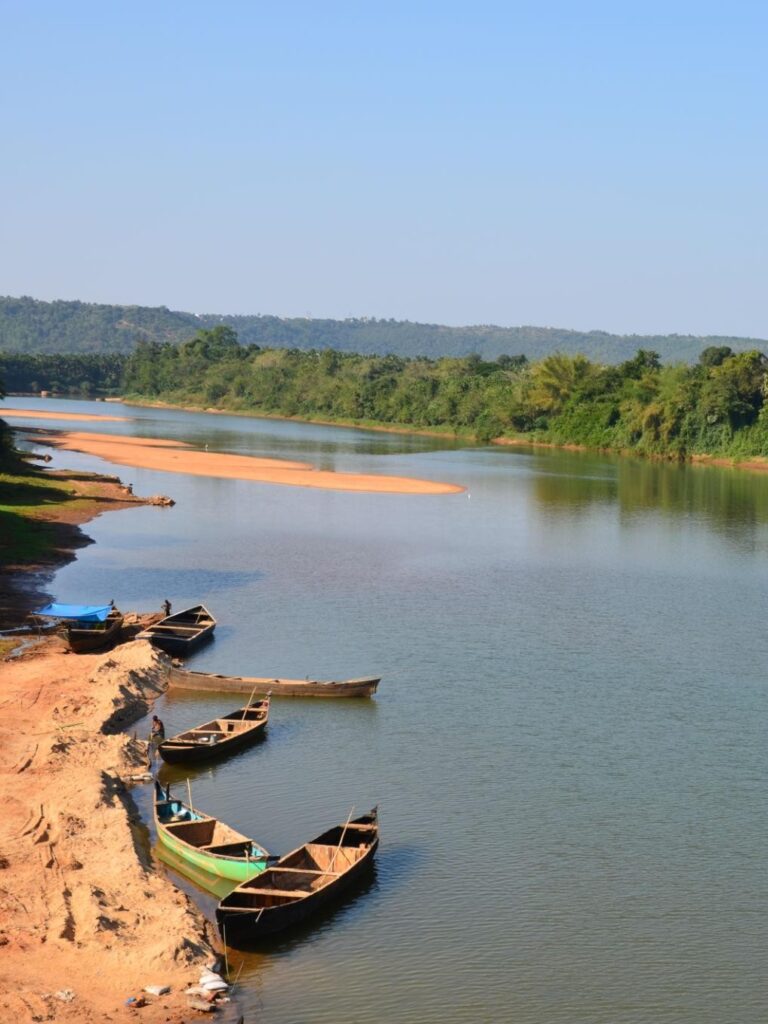
village steeped in the history and traditions of ancient Tulu Nadu. Situated along the historic
Phalguni (Gurupura) River, the village formed part of a vibrant riverine landscape that sustained
agriculture, trade, and community life for centuries.
The name Badaga Bellore, meaning “Northern Bellore,” reflects its historical connection with the
neighbouring settlement of Tenkabellore (“Southern Bellore”), together preserving the memory
of an old and enduring habitation. Surrounded by lush paddy fields, arecanut gardens, and
waterways, the village flourished as part of the prosperous agrarian culture of coastal
Karnataka.
Historically, Badaga Bellore was home to several prominent Guthu households that played a
central role in the social, economic, and cultural life of the region. In the traditional Tulu Nadu
system, a Guthu was far more than a landholding estate, it was an ancestral institution
entrusted with the stewardship of agricultural lands, temples, local customs, and community
welfare. Through generations, these households served as centres of leadership and
patronage, managing agricultural resources, supporting religious and cultural activities, and
preserving the traditions that shaped village life.
According to local tradition, Badaga Bellore was historically associated with seven prominent
Bunt guthu households: Bellore Guthu, Kirale Guthu, Bellore Parari, Nadyodi, Gundala,
Ajinadka, and Parimogru. Together, these ancestral houses formed an important part of the
village’s social and agrarian structure. In addition, Kochal Guthu, traditionally belonging to a
Brahmin family, also held a respected place in the cultural and religious life of the village. These
households contributed significantly to the preservation of local customs, temple traditions, and
community institutions, leaving a lasting imprint on the heritage of Badaga Bellore.
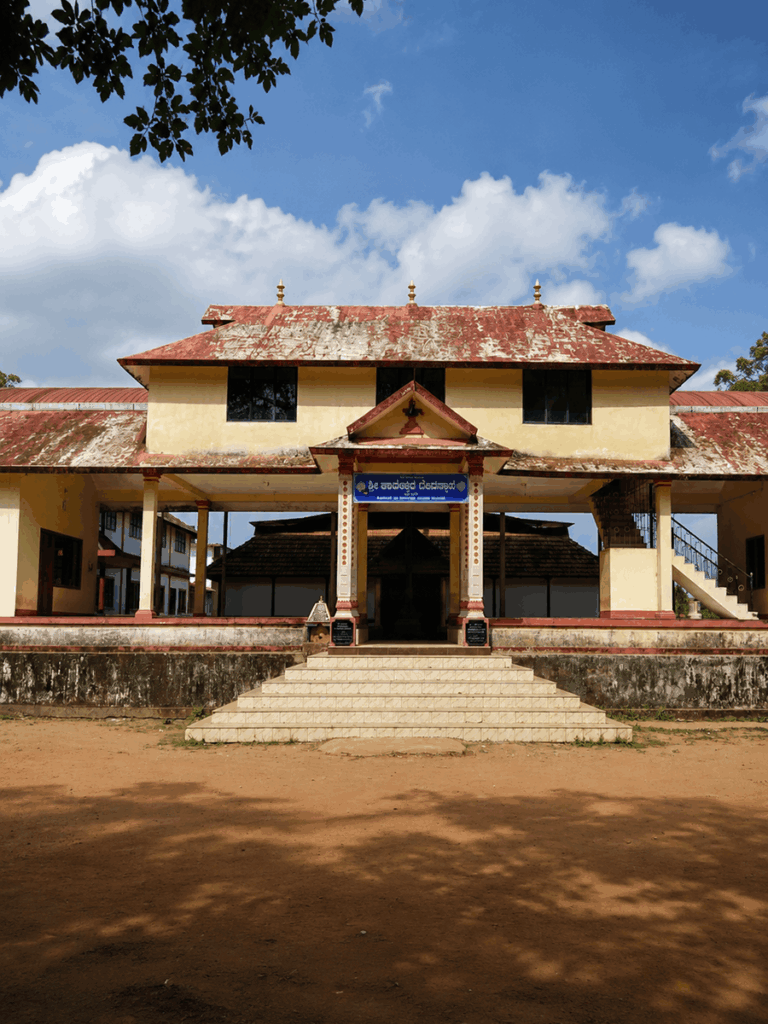
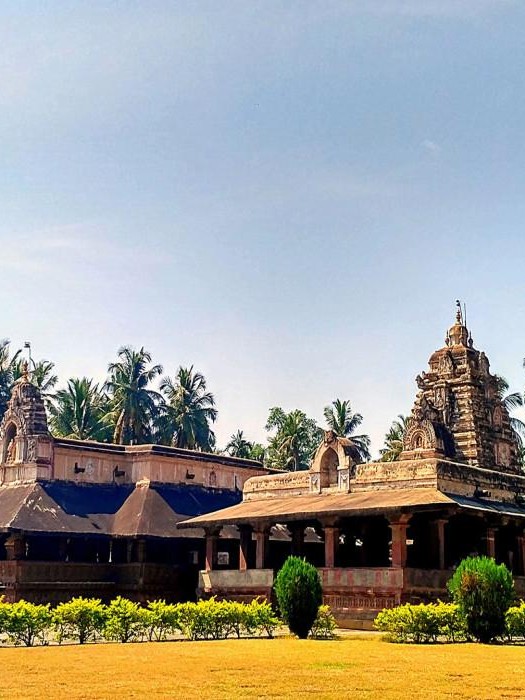
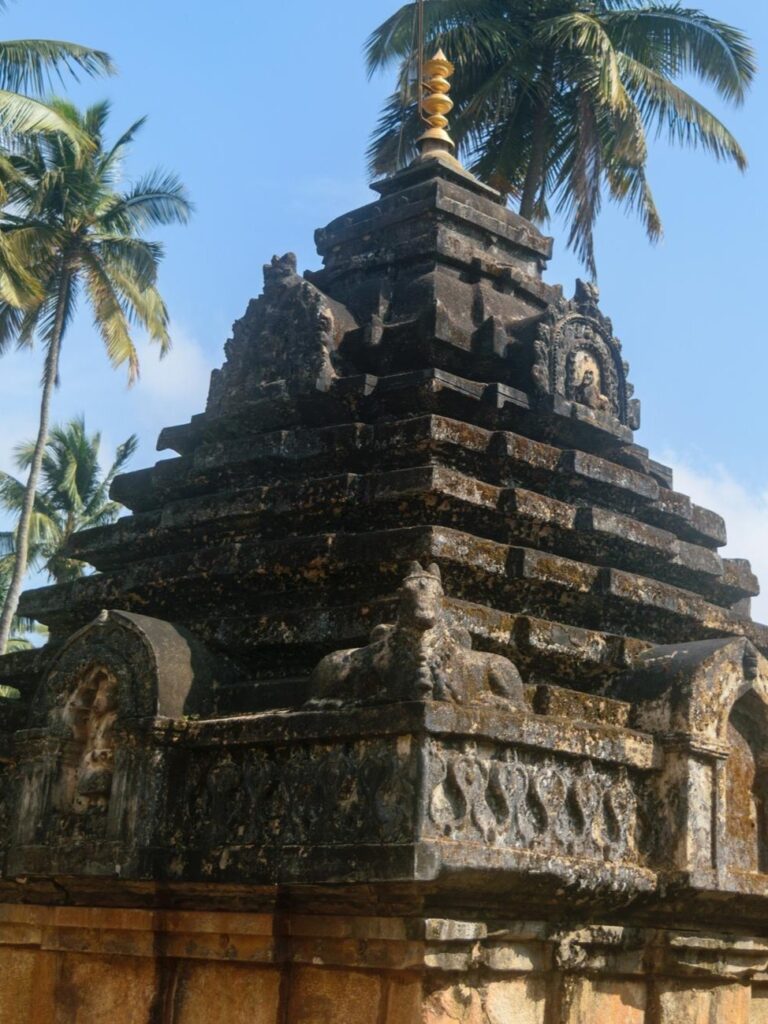
The spiritual life of Badaga Bellore has long revolved around the Sri Kaveshwara Temple and
the sacred Dharma Nema traditions conducted collectively by the hereditary Guthus of the
village. More than a ritual observance, the Dharma Nema represented a sacred covenant linking
the Guthu families, the Daivas, the temple, and the welfare of the community itself.
Historically, the seven Guthus traditionally shared the responsibility of conducting the Dharma
Nema on a rotational basis. Each year, one Guthu undertook the responsibility of organizing and
conducting the observances of the Dharma Nema on behalf of the entire community. This
rotating system symbolized unity, shared responsibility, and the collective guardianship of
Badaga Bellore’s spiritual and social order. Through this sacred cycle, the Guthus remained
interconnected through ritual duty, temple service, and ancestral obligation.
For generations, the Dharma Nema was conducted with great discipline and devotion, bringing
together the community through Bhoota Kola, temple ceremonies, offerings, and sacred
observances. During these ceremonies, the Daivas addressed the representatives of the
hereditary Guthus directly, reaffirming moral order, resolving disputes, offering guidance, and
blessing the village community.
Oral tradition recalls that the Dharma Nema continued uninterrupted until 1952. During that
period, internal disputes arose among members of the family, eventually leading to the
interruption of the traditional observances. In the years that followed, broader social and
economic changes, the fragmentation of the old joint-family structure, migration, and the gradual
decline of the hereditary Guthu system contributed to the discontinuation of several ancestral
practices.
The yajamanas of the Guthus continue to occupy an important place in the religious affairs and
ceremonial traditions associated with the Sri Kaveshwara Temple. Their role reflects the
enduring connection between the hereditary village leadership and the temple’s spiritual
heritage.
Another important surviving tradition is the annual Nema of Maadlaya Daiva, which continues to
be conducted every year on 14 April at Pee Gudde. This observance serves as a living link to
the village’s ancient Daiva traditions and reflects the continuing reverence accorded to the
guardian spirits of the land.
Yet despite the passage of time, the spirit of Badaga Bellore continues to endure through its
Daiva traditions, temple heritage, ancestral homes, sacred groves, oral histories, and the
collective memory of its people. The legacy of the hereditary Guthus remains not merely a
chapter of history, but a living testament to the unique synthesis of faith, leadership,
architecture, agrarian stewardship, and spiritual continuity that has defined Badaga Bellore
across generations.
Adding {{itemName}} to cart
Added {{itemName}} to cart